
TL;DR: June 2026 was a month of hard deadlines and big platform shifts. The EU's €150 de minimis exemption ended July 1, touching every brand that ships cross-border. Shopify Scripts stopped executing June 30, breaking checkout logic for anyone who hadn't migrated. Shopify launched its Spring '26 Edition with 150+ updates built around AI agents and a new open commerce protocol. Klaviyo announced Composer, Social Marketing, and Customer Agent upgrades at K:LDN on June 30. Here is what actually matters and what to do about it.
Did the EU de minimis change just break your cross-border margins?
The EU's €150 customs duty exemption ended July 1, 2026. Every parcel entering the EU now faces a flat €3 duty, with a separate €2 handling fee expected by November. For low-AOV orders in fashion, beauty, accessories, and home goods, this can flip a profitable shipment into a loss without a pricing adjustment.
Until July 1, any parcel valued under €150 entered the EU without customs duty. That threshold is gone. The Council confirmed the removal in February, and it took effect on schedule.
The numbers work like this: a €60 order that previously had a €7.20 VAT cost (12%) now adds a €3 flat duty before VAT recalculation, taking the landed cost to roughly €76. A €2 handling fee per parcel is expected in November 2026. That is €5 in new friction per order, before you account for any carrier surcharges your logistics partner passes through.
The categories hit hardest are the ones most of you are in: fashion accessories, jewellery, beauty products, low-AOV bundles, home goods. Anything where your typical order is under €150 and your margins are already tight.
This affects three groups: brands selling DTC to EU customers from outside the EU, brands sourcing from outside the EU and shipping via a third-party logistics hub, and marketplace sellers using EU warehouses with direct-to-consumer fulfillment. If you are any of these, you need your IOSS data to be clean, your HS codes accurate, and your declared values correct. Data quality is now a cost-of-doing-business issue, not just a compliance nicety.
Why this matters. The €150 exemption has been propping up the economics of low-ticket cross-border orders for years. That buffer is gone. Brands that built their pricing model on it without noticing need to reprice, reframe shipping thresholds, or absorb the margin hit explicitly rather than accidentally.
Did Shopify Scripts break your checkout on June 30?
Shopify Scripts stopped executing on June 30, 2026. Any custom discount, shipping, or payment logic built in Scripts is no longer firing. If you are on Shopify Plus and have not yet migrated to Shopify Functions, your checkout may be running with no discount rules, no shipping overrides, and no payment gating right now.
Shopify gave two years of warning and two deadline extensions, and the date held. As of midnight June 30, no Script runs. The Script Editor is frozen, which has been the case since April 15, so there was no way to patch a broken Script even if you caught the issue early.
What breaks: tiered discount logic, volume pricing, BOGO rules, custom shipping rate calculations, free gift thresholds, and payment method restrictions built in Ruby via the Script Editor. If these were running through Scripts, they are now silent.
To check your exposure: go to Apps in your Shopify Admin, find Script Editor. If you see active Scripts, you have a problem to solve today. The fix is migrating the same logic to Shopify Functions, which now supports discounts, shipping, and payments, or to a third-party app that handles the equivalent rule set.
Why this matters. The brands most likely to still have active Scripts are the ones that customized heavily two or three years ago and then didn't touch it again. The logic became invisible infrastructure. GoodKarma's experience is that post-launch audits consistently surface Scripts running in the background on Plus stores that no one remembers setting up.
What does the Shopify Spring '26 Edition actually mean for how your store sells?
Shopify's Spring '26 Edition, which launched June 18, centres on one idea: your products should be shoppable wherever people are, including inside AI conversations. The headline infrastructure is the Universal Commerce Protocol (UCP), an open standard that lets AI agents complete checkouts on behalf of your customers. This is not future-facing. 8,000+ stores are already verified, and the toggle to turn it on lives in your Shopify Admin under Agentic Storefronts.

The Spring '26 Edition shipped 150+ updates. The ones worth your attention now, rather than eventually:
- Agentic Storefronts and UCP. When someone asks ChatGPT, Microsoft Copilot, or Google AI Mode to recommend a product and then buy it, UCP is the plumbing that makes that possible without leaving the conversation. Shopify built the admin interface for this. You do not need a developer. You turn it on, and your store becomes reachable through every AI surface that supports UCP, currently Google AI Mode, the Gemini app, and Copilot, with ChatGPT in progress. 8,000+ stores were verified by mid-June 2026, roughly 99% of them on Shopify.
- Sidekick now talks to your other apps. The biggest practical addition to Sidekick is third-party app extensions. 15+ partners launched at Spring '26, including Klaviyo, Loop, Smile, Judge.me, and Yotpo. For Klaviyo specifically: you can now ask Sidekick about your campaigns, flows, and revenue performance from inside your Shopify Admin, without switching tabs. The query, the answer, and the follow-up action all happen in one place.
- B2B features on more plans. Company profiles, volume pricing, and up to three B2B catalogs are now available on more subscription tiers. If you do any B2B or wholesale business and were on a lower plan, check whether you now have access without an upgrade.
- POS v11. Shopify rebuilt the POS app and describes it as the fastest version they have shipped. It saves over a minute per transaction when creating new customers, adding products, and processing a cart. If you have retail locations, the update is worth testing.
Why this matters. The Agentic Storefronts piece is not just a feature drop. It is Shopify making a bet that the next wave of discovery and purchase will happen inside AI conversations, not search results pages, and building the infrastructure to capture it now. GoodKarma's view is that the brands that set this up in Q3 2026 will have a data advantage, even if the volume is still small, because the signals you collect when agents shop for your customers are different from what you get from traditional sessions.
What did Klaviyo ship at K:LDN, and does any of it change how you run retention?
Klaviyo held its London event on June 30 and announced three things: Composer, an AI marketing agent that takes a campaign from prompt to launch-ready using your actual account data; Social Marketing at general availability from July 7, which turns Instagram followers into owned subscribers; and Customer Agent upgrades, including responses in 100+ languages and Agent Guidance for tone control. These are not speculative features. Composer is in public beta now. Social Marketing goes live next week.

Composer. The simplest description: you describe what you want to do, and Composer builds the campaign using your segments, flows, past performance, and brand voice. It does not just suggest copy. It identifies the opportunity, recommends the audience, and prepares the campaign for launch. You approve before anything sends. The beta is open for signup on Klaviyo's site.
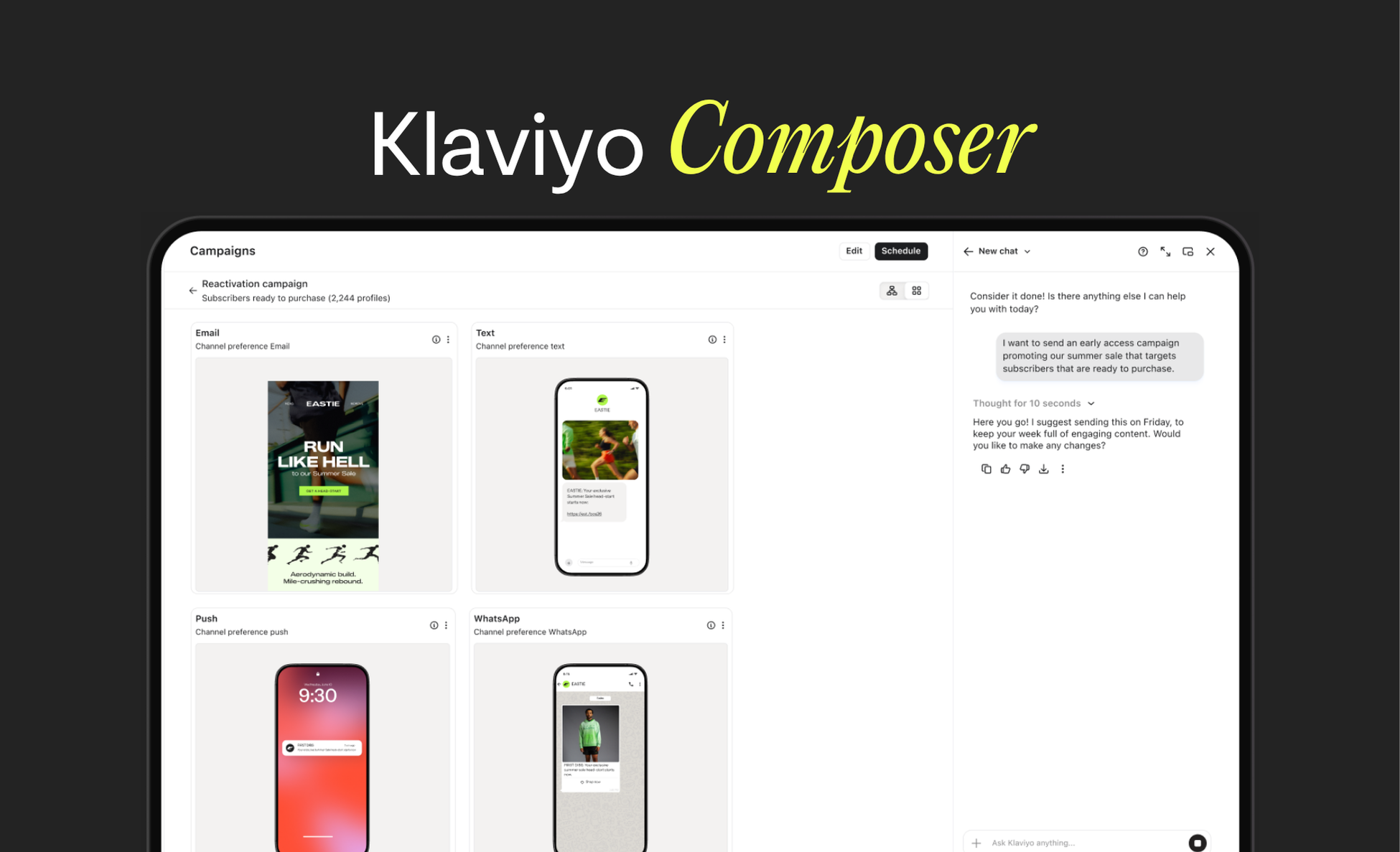
The distinction GoodKarma would flag: Composer is built on your data, not generic data. It is not a content generator. It is a decision layer that sits on top of your Klaviyo history. That means the value compounds the more your account is in good shape. Brands with clean segments, well-tagged flows, and accurate revenue attribution will get more useful recommendations out of it than brands with messy setups.
Social Marketing (GA: July 7). Connect your Instagram account and Klaviyo will automatically convert comment interactions, DMs, and mentions into opt-in events, turning followers into email or SMS subscribers. The mechanism uses Meta's API within their messaging policy. You set up automated reply sequences that include opt-in prompts, and Klaviyo handles list growth in the background.
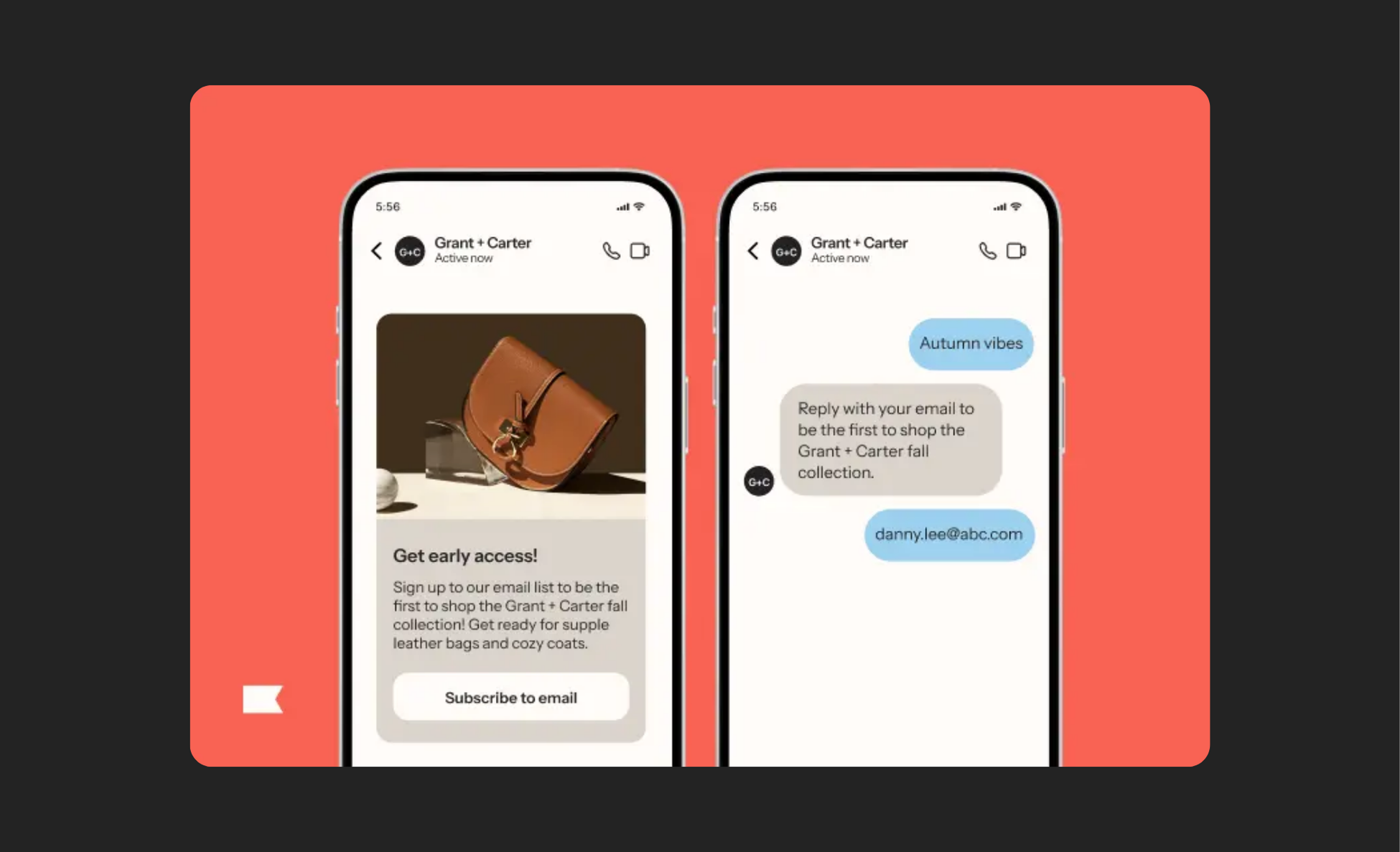
For lifestyle brands with active Instagram communities, this is a meaningful subscriber acquisition channel that costs nothing beyond the initial setup time. You already have the audience. This just creates a path from follower to owned contact.
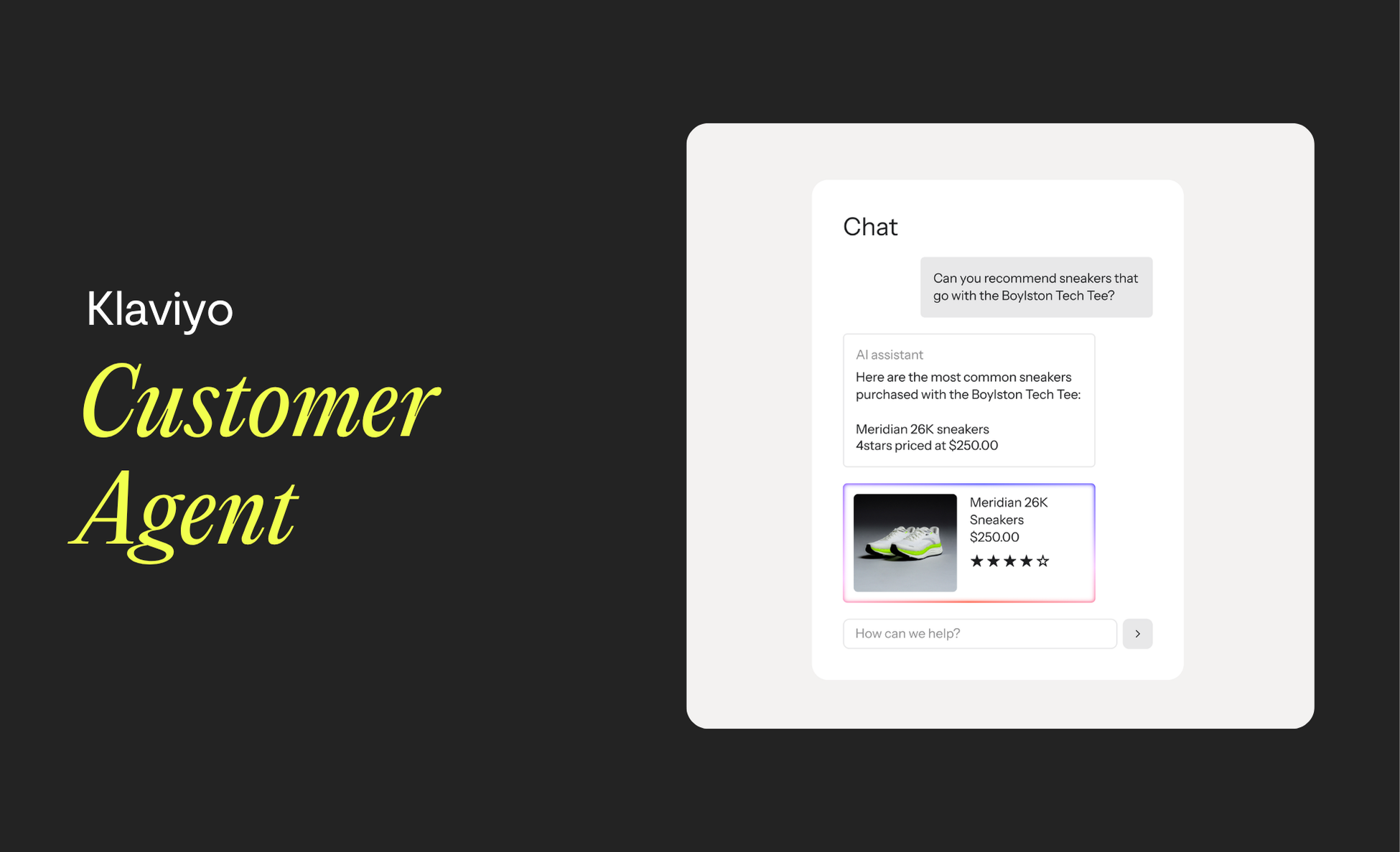
Customer Agent. The upgrade adds 100+ language support across email, SMS, web chat, and WhatsApp, automatic language detection per conversation, and Agent Guidance, which gives you direct control over the agent's tone, escalation rules, and decision-making boundaries. For brands selling across multiple EU markets, the language layer removes a common barrier to deploying AI support at scale.
Klaviyo also announced an expanded integration with Anthropic, bringing agentic marketing workflows into Claude and Claude Cowork for teams that already work that way.
Why this matters. Klaviyo is moving from a campaign tool toward something closer to an autonomous execution layer. Composer and Customer Agent are the two sides of that: one handles outbound marketing, the other handles inbound service. The bet is that a single data platform powering both is more effective than separate tools with separate contexts. GoodKarma's view is that this is directionally right, and the Social Marketing piece is the most immediately underused feature in this release.
Share on:


.png)