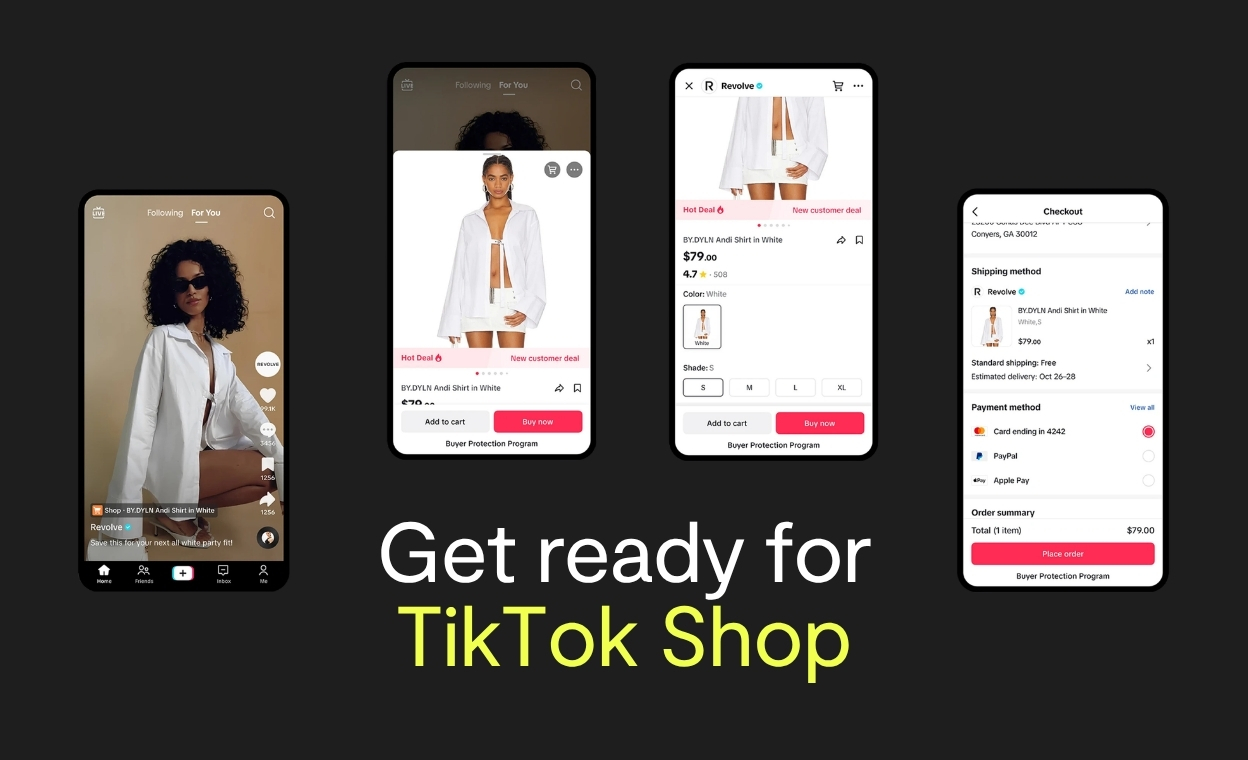
TikTok is no longer just for dances and trends. It's evolved into a full-funnel platform where inspiration, community, and commerce collide. Here's what brands need to know -and why you should be prepping now.
From entertainment platform to commerce hub
Most people's mental image of TikTok is about three years out of date. During COVID, the platform became our escape; a go-to social app where trends moved at lightning speed and anyone could go viral overnight. When lockdowns ended, most expected the momentum to fade out. Instead, TikTok matured.
Today, it isn't just about entertainment and inspiration - it's a complete ecosystem where content, community, and commerce exist together. The one missing piece? Every time someone wants to buy, they have to leave the app. And that's exactly where TikTok Shop comes in: bridging the gap between discovery and purchase without breaking the moment.
TikTok shop is here. Almost.
TikTok Shop is TikTok's native commerce feature. It lets brands set up a storefront directly inside the app, where users can discover and buy products without ever leaving TikTok. It didn't appear overnight. The feature launched as a pilot program in 2021, running in select markets while TikTok tested the concept. By 2023, it was officially live in the United States - and it worked. Brands saw real traction and customers embraced the experience, with 3 out of 4 TikTok users saying they're likely to buy via the platform.
From there, expansion was inevitable. Last year, TikTok Shop rolled out across Europe, including Spain, Ireland, Germany, France, Italy, and the UK. The Netherlands isn't live yet, but it's widely expected to follow in 2026. TikTok hasn't confirmed a date, and honestly, that's beside the point for now.
Waiting for an official announcement before you prepare is how you end up one step behind while your competitors already have a head start.
Why TikTok Shop belongs in your channel mix
1. Reach the right people, at scale
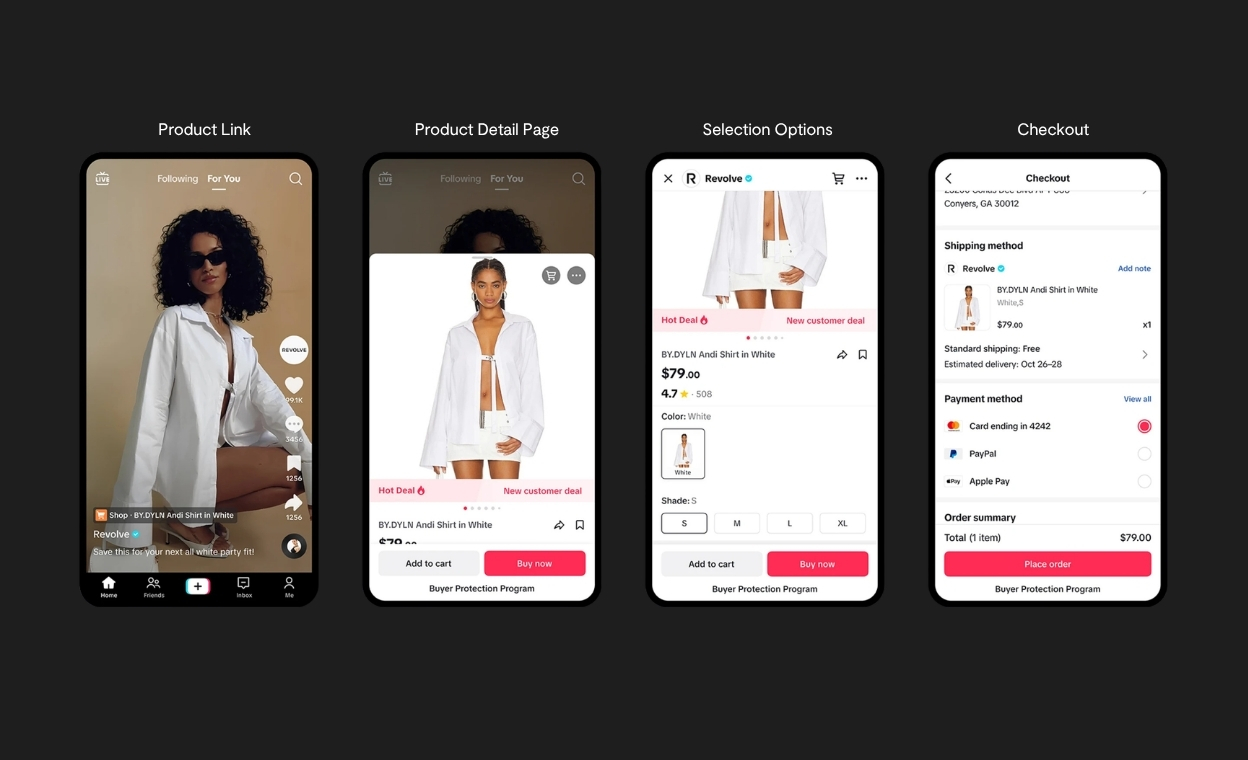
TikTok Shop sits inside one of the most powerful discovery engines on the internet. A single video can put your product in front of potential customers you'd never reach through traditional advertising - not because of luck, but because of how the algorithm works. And unlike paid media, that reach doesn't always come with a media budget attached. Organic content converts on TikTok in a way it simply doesn't elsewhere. With Shop, that discovery has a direct path to purchase built in - no redirects, no drop-off, just a buy button at the moment of maximum interest.
2. Convert new customers, not just existing ones
TikTok Shop doesn't just sell to people who already know you - it finds people who don't. And what makes it different from other channels is how that introduction happens. On Meta, people are scrolling through content from friends and family, and your ad is an interruption. On TikTok, discovery feels more natural, even when it's paid. People aren't being retargeted or served a search ad - they're stumbling across your product in a moment where they're already open and engaged. Add frictionless in-app checkout to that, and the gap between first impression and first purchase has never been smaller.
3. Sell without feeling like you're selling
TikTok Shop works because the commerce is embedded in content, not bolted on top of it. You inspire, educate, or entertain - and the buy button is simply there when someone's ready. It doesn't feel like an ad because it isn't one. That's a fundamentally different dynamic from every other sales channel you're running, and it's why brands that get it right see results that traditional channels can't replicate.
One important note: TikTok Shop isn't a replacement for your existing channels. Your website, email list, and performance marketing channels still matter. What changes is TikTok's role: from brand awareness tool to complete funnel. Discovery, consideration, and purchase, all in one place.
Why moving early is the real advantage
The way people buy is changing. Google might still be where they start, but the purchase is increasingly happening on social - and that shift isn't slowing down.
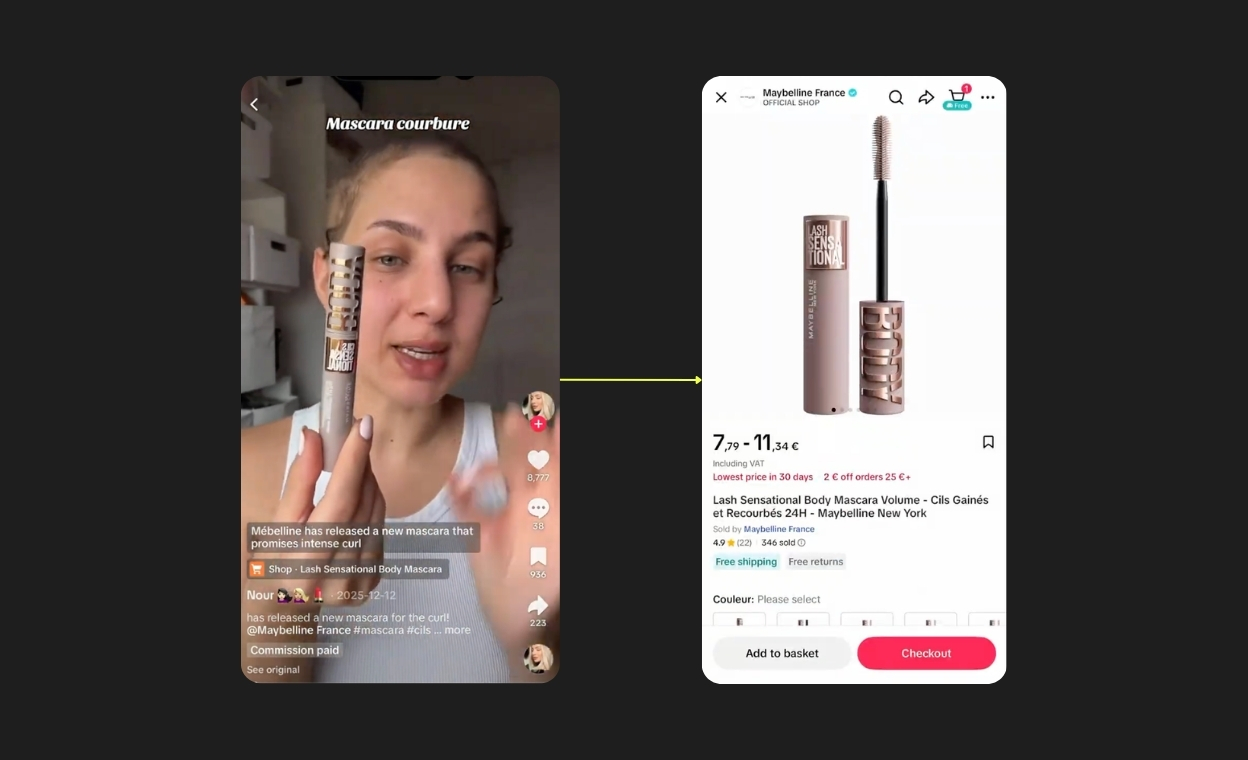
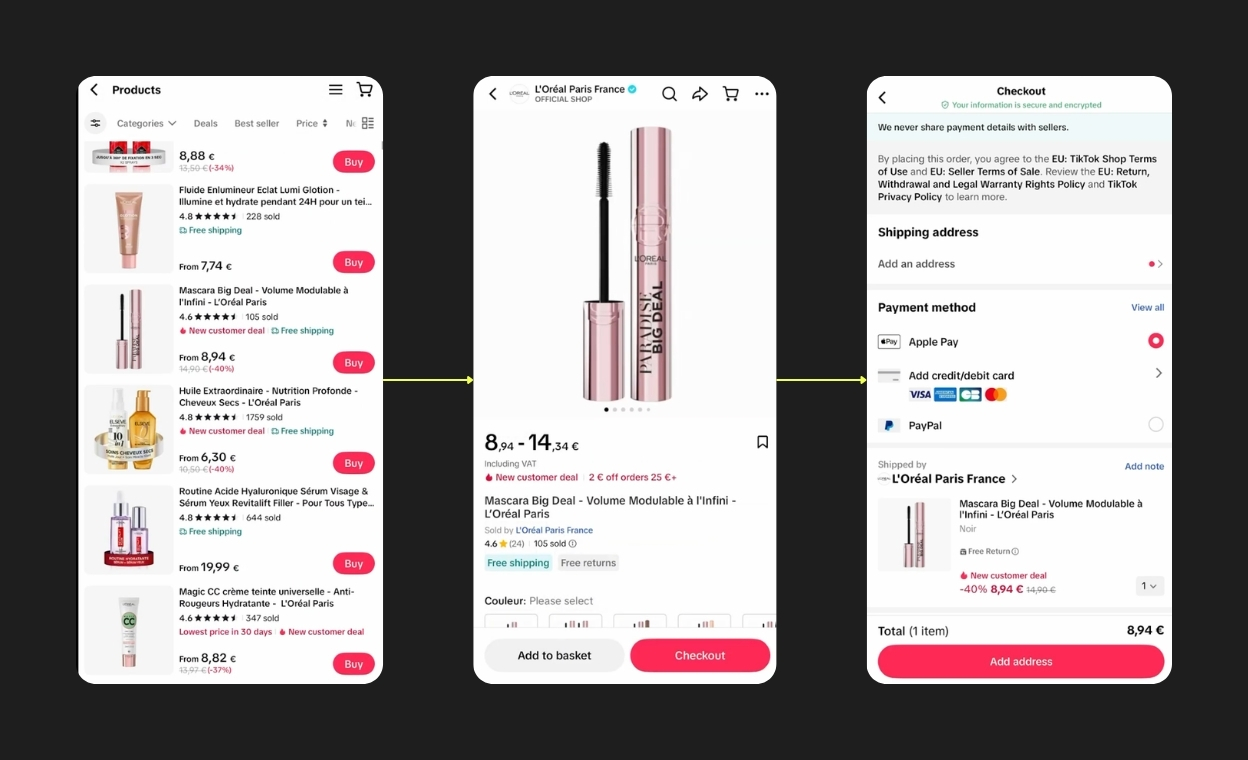
Right now, there's unnecessary friction in the journey: someone sees your product on TikTok, clicks through to your website, navigates to the right page, and maybe buys. Each step is a chance to lose them. TikTok Shop removes those steps entirely. They're inspired, the buy button is right there, and the moment doesn't pass.
That said, this works best for products that lend themselves to impulse buying - trending items, lower price points, things people don't need three weeks to think about. For higher-consideration purchases, TikTok Shop is still valuable, but it's more likely to drive awareness than close the sale directly.
Fewer clicks between desire and purchase mean higher conversion. For the right products, it's that simple.
Getting TikTok Shop ready: your 5-step preparation plan
Whether TikTok Shop launches in the Netherlands tomorrow or in six months, your preparation should start now. Here's exactly what you need to do.
1. Get your business account in order
No business account, no TikTok Shop. If you don't have one, create it. If you do, audit it - complete profile, consistent branding, content that actually represents you well. Everything builds from here.
2. Connect your e-commerce platform and set up tracking
Integrate your e-com platform - like Shopify - to sync your products, inventory, and pricing automatically. At the same time, get your pixel installed correctly. If you can't see where your TikTok sales come from, you can't improve them.
3. Decide if and how you'll work with creators
TikTok Shop lets creators sell your products directly. Open collab means any creator can promote your brand. Closed collab keeps it to trusted partners, working like affiliate links.
Both approaches work; it just depends on your brand. Tarte Cosmetics sends bestselling products to large numbers of creators, opening shop to anyone who wants to promote them. The Ordinary takes the opposite approach, keeping it closed and only working with creators that genuinely resonate with their brand. Neither is wrong, just know which fits yours.
(https://www.glossy.co/beauty/tartes-tiktok-shop-strategy-shows-a-triple-digit-halo-effect-in-retail/ / https://www.glossy.co/beauty/estee-lauder-and-the-ordinary-share-strategies-for-tiktok-shop/ )
If you're just starting out, get your own shop in order first and experiment with creators you already have relationships with. Let them create content the way they naturally would and consider pushing them via Spark ads. Once you're comfortable there, consider expanding to open collabs, but only when you can supply samples at scale.
4. Build content that doesn't feel like an ad
This is where most brands get it wrong. Entertainment and inspiration come first - the product is there, visible and purchasable, but it's not the headline. Repurpose what you have, but invest in fresh content that feels native to TikTok.
On TikTok Shop, the line between brand and performance disappears even further. You're not competing with other ads; you're competing with the most engaging content on the internet. Content that only entertains won't convert. Content that only sells won't get watched. The difference shows up quickly. E.L.F. Cosmetics is one of the most cited TikTok success stories precisely because their content feels like it belongs on the platform - trend-led, creator-style videos that happen to feature their products. Compare that to brands that simply repurpose TV commercials or product photography. The content looks out of place, the algorithm deprioritises it, and the audience scrolls past without a second thought. Getting that balance right is what separates the brands that make TikTok Shop work from the ones that don't.
Not sure where to start, or how to find the right balance between creative and performance? That's exactly what we're here for. Let's talk about what that looks like for your brand.
5. Factor in the fees
TikTok charges a sales fee per order, approximately 5%, based on what other European markets are seeing. With most marketplaces sitting between 10-20%, that's notably low. And compared to what you'd typically spend acquiring a new customer through paid media - TikTok Shop's fee is roughly one third of that, though that calculation changes once you factor in creator commissions.
Build all of it into your margins before you launch, not after your first month of sales.
Be ready before it launches
TikTok Shop isn't a new platform to learn. It's a new place to close the sale, on a platform your audience already spends hours on every day. The infrastructure, the audience, and the opportunity are all there. The only variable is whether you'll be ready when the buy button goes live. Your competitors are preparing. Are you?
Share on:


.png)