.jpg)
Busy month. Shopify and Klaviyo both shipped meaningful updates; there's a big joint push on international selling worth paying attention to, Meta's attribution change is confusing everyone's dashboards, and Google, Meta, and OpenAI all made moves that signal where product discovery is heading.
Here's what matters, and more importantly, and how urgently.
Do this now
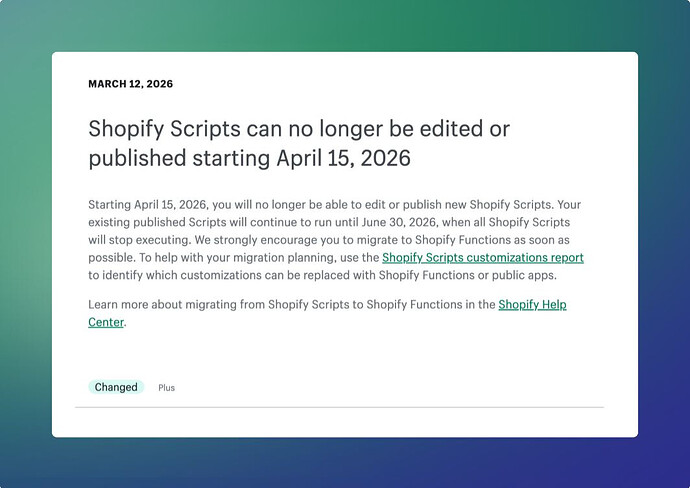
Shopify Scripts are going away, and the deadline is close
From April 15th you can no longer edit or publish Shopify Scripts. From June 30th they stop running entirely. If you're using Scripts for checkout logic, custom discounts, or shipping rules, you need to migrate to Shopify Functions before that deadline. This isn't optional. If Scripts are powering your checkout and they stop executing in June, your checkout breaks. If you're not sure whether this affects you, check now.
Meta's attribution change is making your numbers look wrong
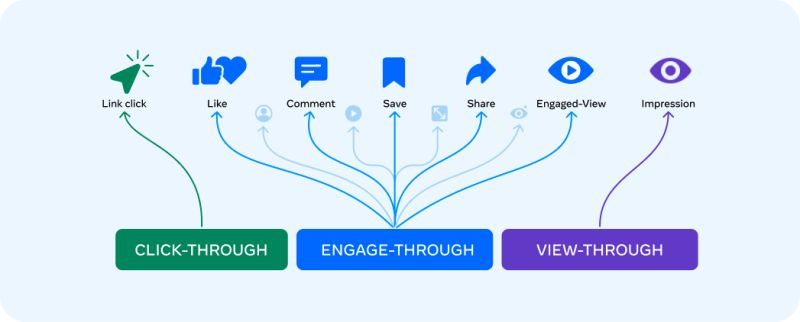
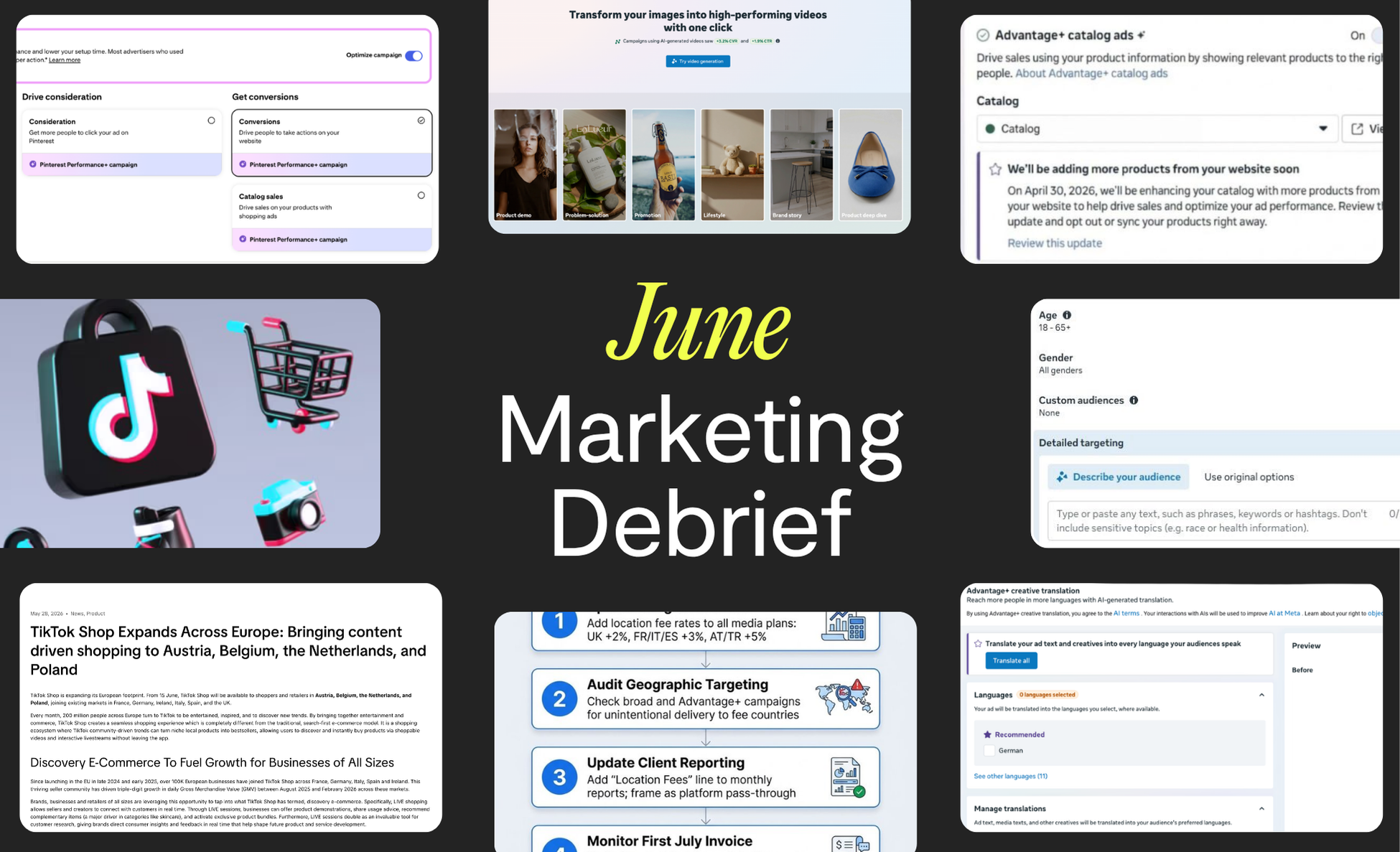
Meta changed how attribution works and it's making a lot of dashboards look alarming. Here's what happened: click-through attribution now only counts actual link clicks. Shares, saves, likes, and comments no longer trigger it. At the same time, "engaged-view" was renamed "engage-through attribution" and that's where those social interactions live now. For video, the view threshold dropped from 10 seconds to 5.
Your reported click-through conversions will drop. Your actual performance hasn't changed. Nothing about how your ads are delivered or charged has been altered, this is purely a measurement reclassification. If you or anyone on your team uses click-through ROAS in Ads Manager as the main measure of performance, it's going to look like everything fell off a cliff. Get ahead of this conversation before your clients see their reports and draw the wrong conclusion.
Put it on your roadmap
Shopify + Klaviyo: international selling just got a lot more accessible
This is the headline update of the month. Both platforms made meaningful moves to reduce the operational complexity of selling across borders, and together they're the most significant improvement to international infrastructure we've seen from either platform in a while.
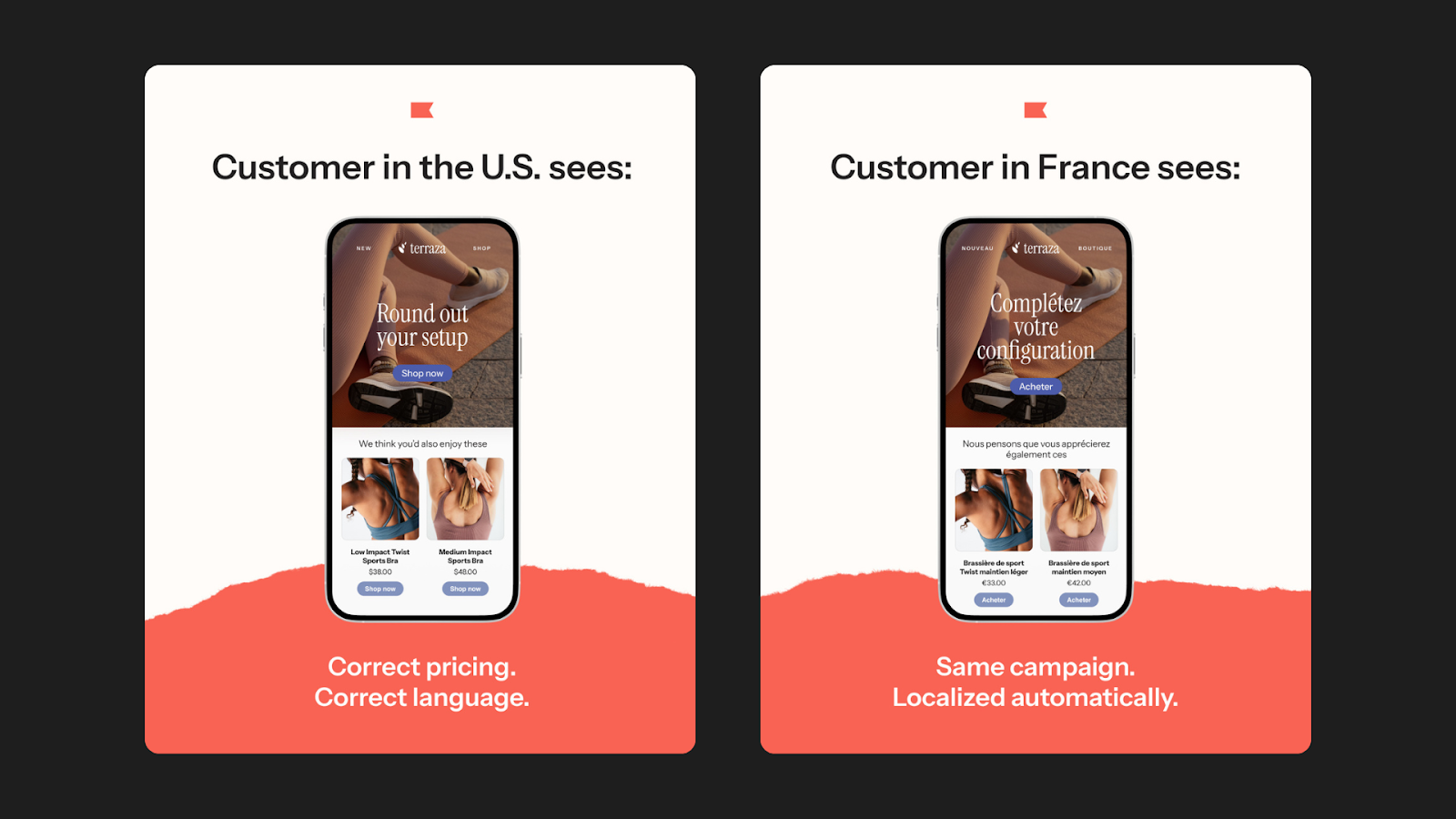
The problem they're solving: Shopify Markets gives you localised storefronts, but the localisation has always stopped there. The moment you go into your marketing you're back to maintaining separate product catalogs per market, building currency workarounds, and either running duplicate campaigns or accidentally sending a French customer a USD price with a broken regional link.
Klaviyo's new Locale Aware Catalogs fixes this. It syncs your Shopify Markets data, language, currency, pricing, regional URLs, directly into Klaviyo. One account, one campaign, and it localises itself automatically per recipient. You don't need expansion stores anymore. No more duplicating work across accounts.
On the Shopify side, you can now customise your checkout and customer account pages per market directly in the editor. This was always possible but it required a developer every time. Now it doesn't.
If international expansion has been on your list but the overhead always made it feel not worth it, that overhead just got significantly smaller. It's not a flip-a-switch project, but it's worth getting on the roadmap properly this quarter.
Klaviyo: customer service automation is worth building out now
Klaviyo's other March updates are all pointed in one direction, reducing the volume of repetitive support conversations your team is still handling manually.
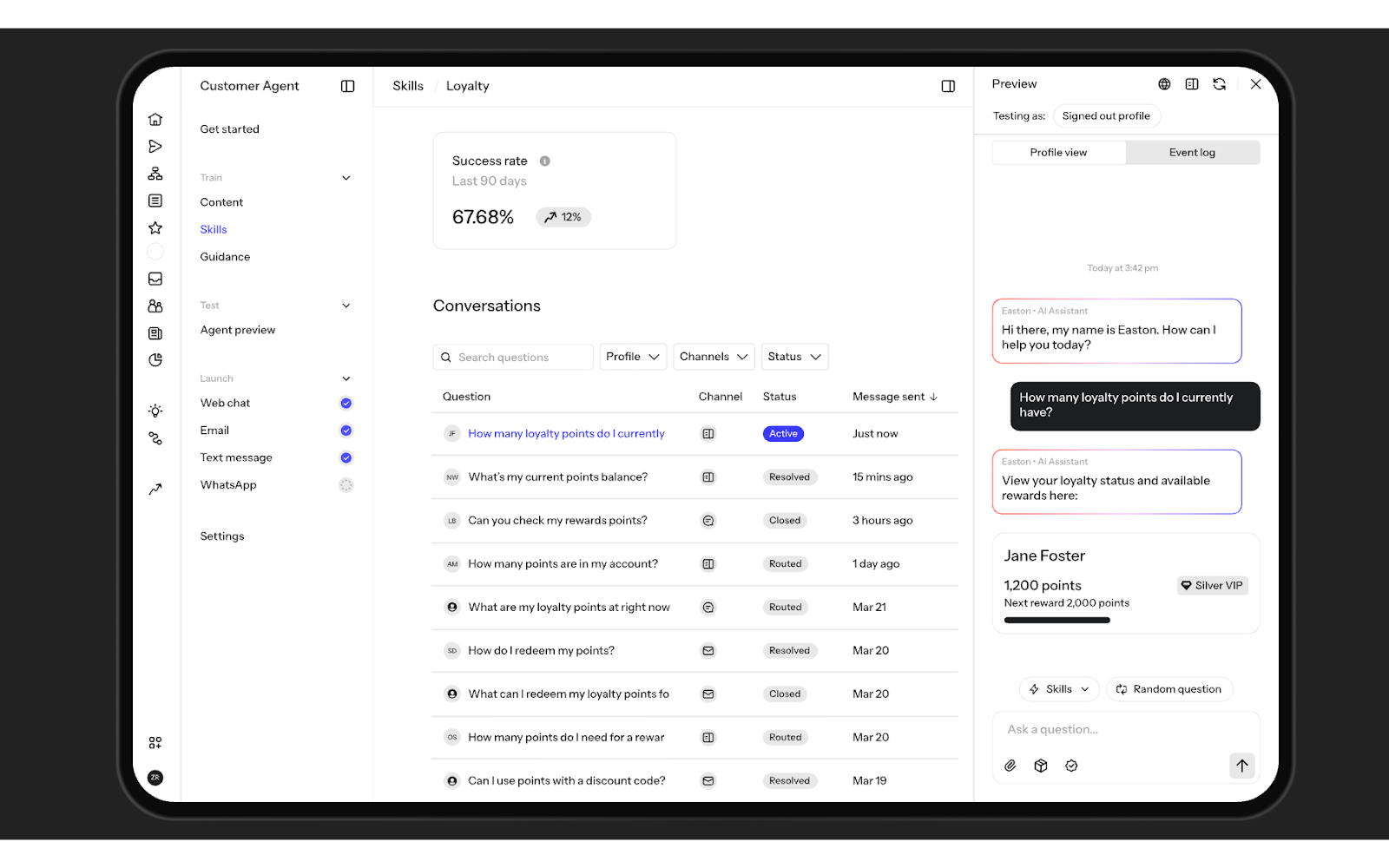
Two new Customer Agent skills launched this month. The Loyalty Skill automatically handles points and rewards questions across webchat, SMS, email, and WhatsApp, balance checks, how to redeem, links to the loyalty portal, without a human in the loop. The Subscription Skill does the same for subscription management. If you're running either and your team is still answering these questions every day, the ticket deflection potential here is significant.
Suggested Responses surfaces AI-drafted replies based on past resolved tickets. Agents review, tweak, send. Faster resolutions, less time writing from scratch.
Automated Conversations Branching for SMS routes customers down different paths based on their keyword responses, useful for zero-party data collection and post-purchase flows where the follow-up should vary depending on what the customer tells you.
WhatsApp Deliverability Hub gives you centralised monitoring of your quality rating, engagement, and policy alerts. If WhatsApp is in your channel mix, increasingly relevant for European brands, monitoring this proactively is much better than dealing with a restriction after the fact.
Customer Hub also got an update: wishlist and favourites data can now be imported from Swym, Wishlist King, or CSV during migration, so you don't lose high-intent shopper behaviour when switching.
None of these are urgent today, but the brands building out the Agent skills now will have lower support costs and faster resolution times before this becomes what everyone expects. If your team is still manually answering "where are my points?" every day, that's the place to start.
Meta location fees, budget for these before July
From May 2026, Meta adds surcharges on impressions delivered into Austria and Turkey (5%), France, Italy, and Spain (3%), and the UK (2%). Full billing kicks in July 1st. These apply based on where your ads are delivered, not where your business is based, a Dutch brand running ads to UK audiences pays the UK fee. Get this into your European cost projections now before it shows up as an unexplained CPM increase mid-summer.
Keep an eye on it
AI is becoming the new product discovery layer — and it's happening fast
Three separate stories this month that, read together, tell one important story about where shopping is heading.
Every Shopify merchant is now shoppable inside ChatGPT. As of March 24th, Shopify's Agentic Storefronts went live for all merchants, no setup required, no app to install. Users discover products through ChatGPT, then complete purchases via an in-app browser on mobile or a new tab on desktop. Your checkout, your pricing logic, your customer relationship are all intact. Orders flow into the admin with ChatGPT referral attribution, so you can see exactly where sales came from.

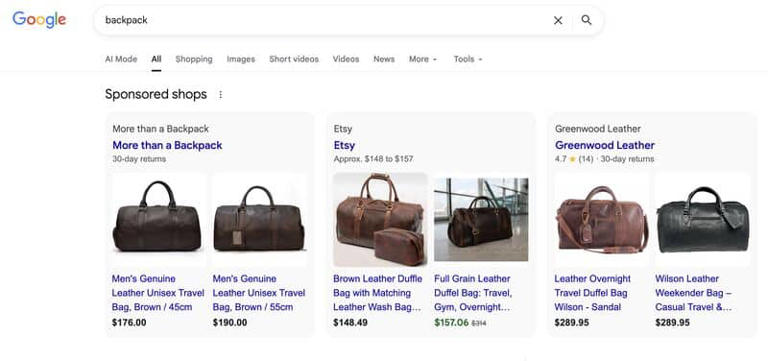
Google is testing Sponsored Shops in Shopping results. Instead of individual product listings, the new format groups multiple products from the same retailer into one sponsored unit — store name, product range, ratings, all in one block. If the format rolls out widely, it could reward brands with strong product feeds, high seller ratings, and clear brand trust signals — merchants with well-structured feeds and competitive assortments may gain more visibility compared with those relying on a few individual product listings. searchengineland Still in testing, but the direction is clear: Shopping competition shifts from winning on a single SKU to winning on your store as a whole.
Meta started testing an AI shopping assistant. When users ask for product suggestions, Meta AI shows a carousel with product images, pricing, a link to the ecommerce website, and a short explanation of why it recommended each item, personalised based on profile data like gender and location. Engadget Still limited to select US desktop users, but the intent is obvious — Meta wants to own the discovery moment, not just the ad impression.
What this means for you: the Shopify ChatGPT integration is the one to act on right now. Your products are already discoverable, but whether ChatGPT actually recommends them depends entirely on your product data quality. Clean titles, accurate descriptions, good images, strong reviews; that's what the algorithm is working with. If your feed is messy, you're invisible. The broader pattern across all three stories: AI is becoming the front door to commerce, and the brands that optimise for it now will have the same advantage early SEO adopters had.
Danone x Huel, the acquisition playbook worth noting
Danone acquired UK DTC brand Huel for $1.2 billion. What's interesting isn't just the number, it's why. Huel built on direct sales first, then expanded to 25,000+ retail locations. Danone specifically called out their owned customer relationship infrastructure in the announcement. The brands getting serious acquisition multiples right now are the ones that own the customer relationship and use retail as a distribution layer on top of that, not the starting point. Worth keeping in mind as you think about where to invest.
If you read this far, you deserve a laugh: https://vm.tiktok.com/ZGdu4Jagd/
Lastly, the Klaviyo Composer also just dropped and it looks genuinely exciting, that one gets its own deep dive.
Questions about what any of this means for your brand? Get in touch!
Share on:


.png)