TL;DR: October brought a critical PHP vulnerability for third-party Shopify apps and a November 1 deadline for EU product identifiers. Shopify also opened its full catalog to AI agents and Klaviyo's Customer Agent went region-aware. WhatsApp became a real AI-driven sales channel too.
Why this matters now
October gave lifestyle brands on Shopify and Klaviyo two real deadlines: the PHP vulnerability and the EU product identifier rule. Both have actual dates attached.
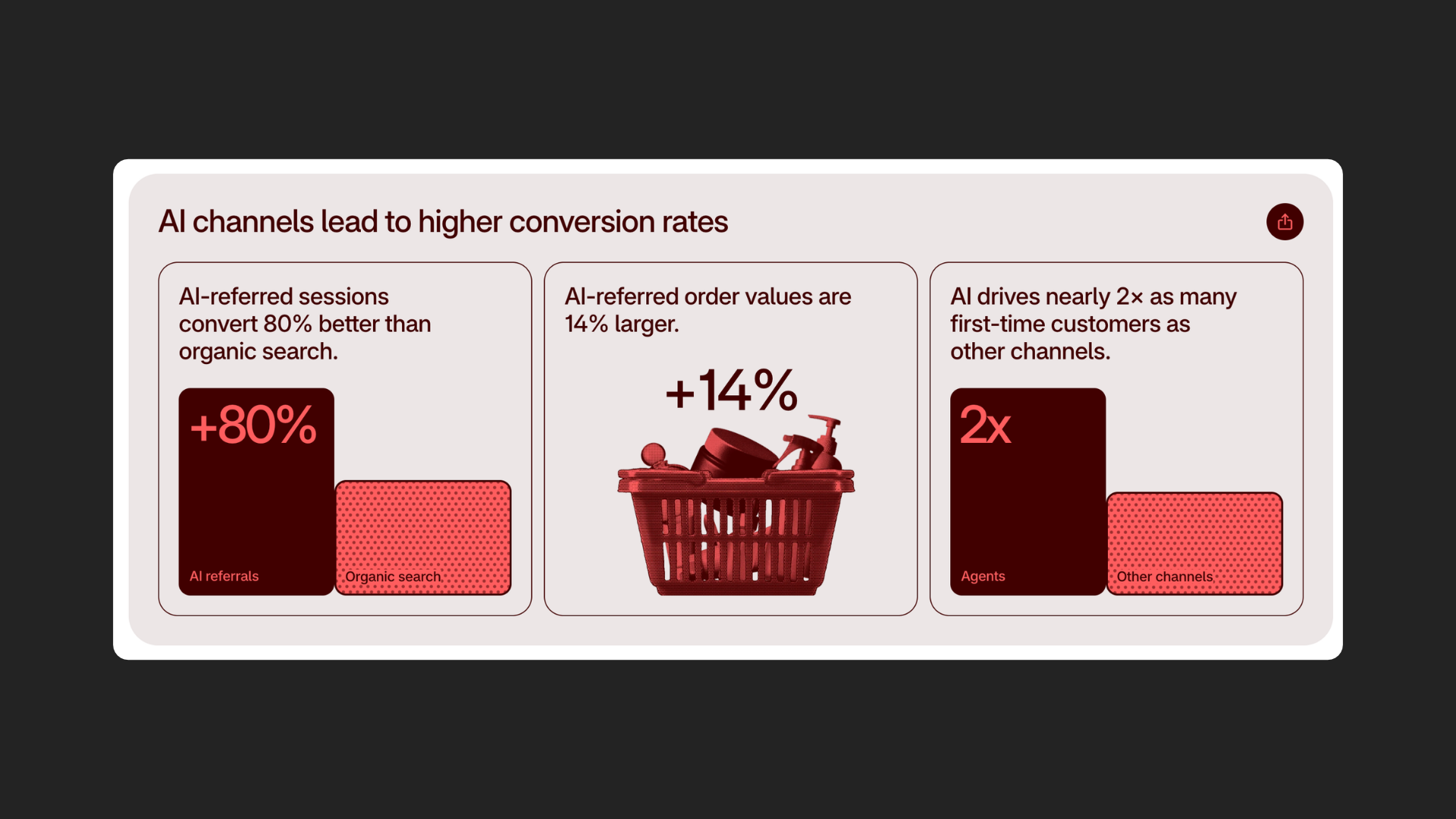
Everything else in this recap can sit on your roadmap. Shopify opened checkout to any AI agent. Klaviyo's Customer Agent now adapts by region. WhatsApp became a channel brands can sell and recover carts through. Shopify's own data already shows AI-referred shoppers convert 80% more often than shoppers from organic search. Plan for these this quarter.
Do this now
Does the October PHP vulnerability put your Shopify store at risk?
Shopify's core platform runs on its own servers, not PHP. Your store itself isn't exposed. Many of the apps you install run on PHP, and so do most non-Shopify platforms like WooCommerce or Magento. Ask every app vendor directly whether they've patched it yet.
On October 21, researchers disclosed two critical PHP flaws, nicknamed PHP2Shell (CVE-2026-109618 and CVE-2026-109619), both rated 9.2 out of 10 for severity. Both let an attacker run code on a server without logging in. Palo Alto Networks counted over 22 million exposed PHP instances. WooCommerce, Magento, PrestaShop, and Shopware stores need their host updated to PHP 8.5.12, 8.4.27, 8.3.36, or 8.2.35.
This landed three weeks after a separate incident. Attackers compromised the backends of several Shopify apps, including HulkApps, Logbase, and Swym, and redirected shoppers to fake checkout pages. Shopify delisted roughly 480 apps, including Rebuy, Privy, and Bold's Aftersell. That's old news by now. Check that any of those apps you use are back and current anyway.
Why this matters. Lifestyle brands usually run between fifteen and thirty apps across their Shopify stack. Most merchants don't know which of those touch PHP on the backend. One unpatched vendor exposes customer payment data in the exact weeks before Black Friday, when support tickets spike anyway. This is another point in Shopify's favor. Its core platform was never exposed to PHP2Shell, while stores on WooCommerce, Magento, PrestaShop, or Shopware had a real deadline to meet.
What changes for EU shipping and VAT on Shopify starting November 1?
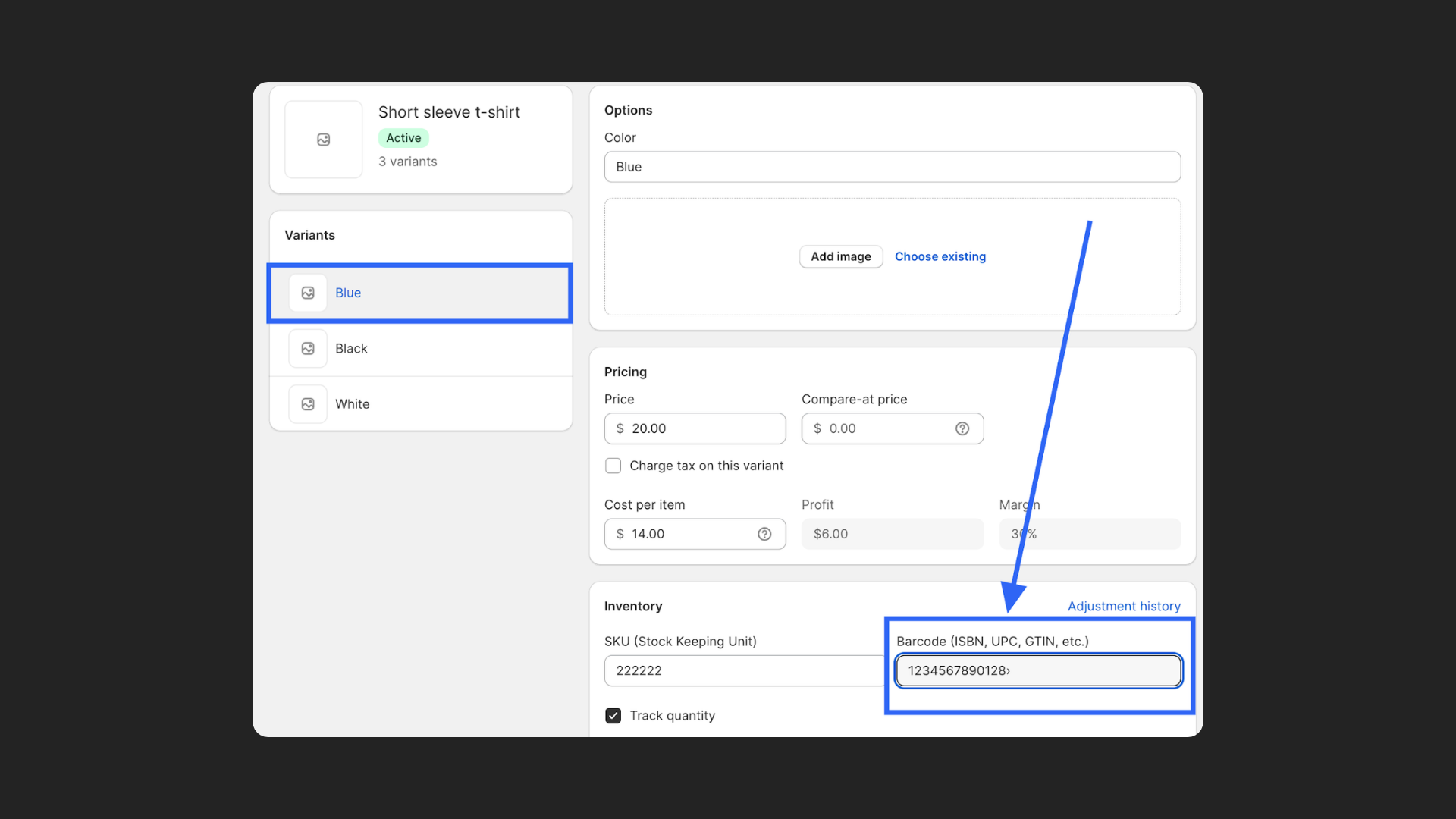
From November 1, the EU requires three product identifiers on every item shipped through Shopify Shipping or Managed Markets. Products without them get held at customs. Shopify also fixed UK VAT to calculate from the actual fulfillment location, and added guaranteed flat-rate, duty-inclusive shipping through Managed Markets this month.
The identifier rule means adding barcodes to your listings.
Shopify shipped two related updates this month too: UK VAT now calculates based on where an order actually ships from instead of a default location, and Managed Markets added flat-rate shipping with duty-inclusive prices guaranteed on FedEx and DHL Express labels. Shopify also started offering DHL eCommerce shipping labels from the Netherlands and Poland, and Royal Mail pickup points at UK checkout.
Why this matters. Lifestyle brands shipping from an EU hub into the UK, France, or Germany ship their highest volumes during the holidays. A customs hold in that window means delayed orders and a wave of support tickets.
Is your Shopify store actually ready for AI shopping agents?
Not yet, and Shopify says so itself. Four things shipped in Shopify’s Fall ‘26 Edition, released October 28, and are live right now: run the Catalog eligibility check, confirm Shop Pay is switched on, publish the AI knowledge-base facts about your shipping and returns, and turn on auto-generated store policies. Together they take under two hours and decide whether an AI shopping agent can find your products, trust what it says about them, and let a shopper check out.
Run the check under Sales channels > Agentic first. It flags why a store isn’t in Shopify Catalog, usually a missing price, image, or storefront password, and nothing else on this list works until it passes. Confirm Shop Pay is on: that single setting is what lets a shopper check out inside Claude Duet, Grok Bot, Instinct, and Muse. Then open the knowledge base in the same Agentic tab. Shopify drafts facts about your shipping, returns, and sizing from your storefront, but nothing reaches an agent until you review and publish it, so check for anything vague or wrong first. Turning on auto-generated store policies feeds the same system: accurate, synced policy pages are the source material the knowledge base pulls from.
Why this matters. An AI agent recommends what it can read and trust. A store that fails the eligibility check or hasn’t published its facts stays invisible to a shopping agent. None of this requires a developer or budget, just someone to click through four admin screens before Black Friday.
Put it on your roadmap
What does it mean that Shopify opened checkout to any AI agent?
Shopify now lets any AI agent act as a personal shopper tied to a buyer's Shop account. Agents can search Shopify's full catalog, read a shopper's past orders, and check out with Shop Pay inside a chat window. No partnership or registration is required from the agent's side.
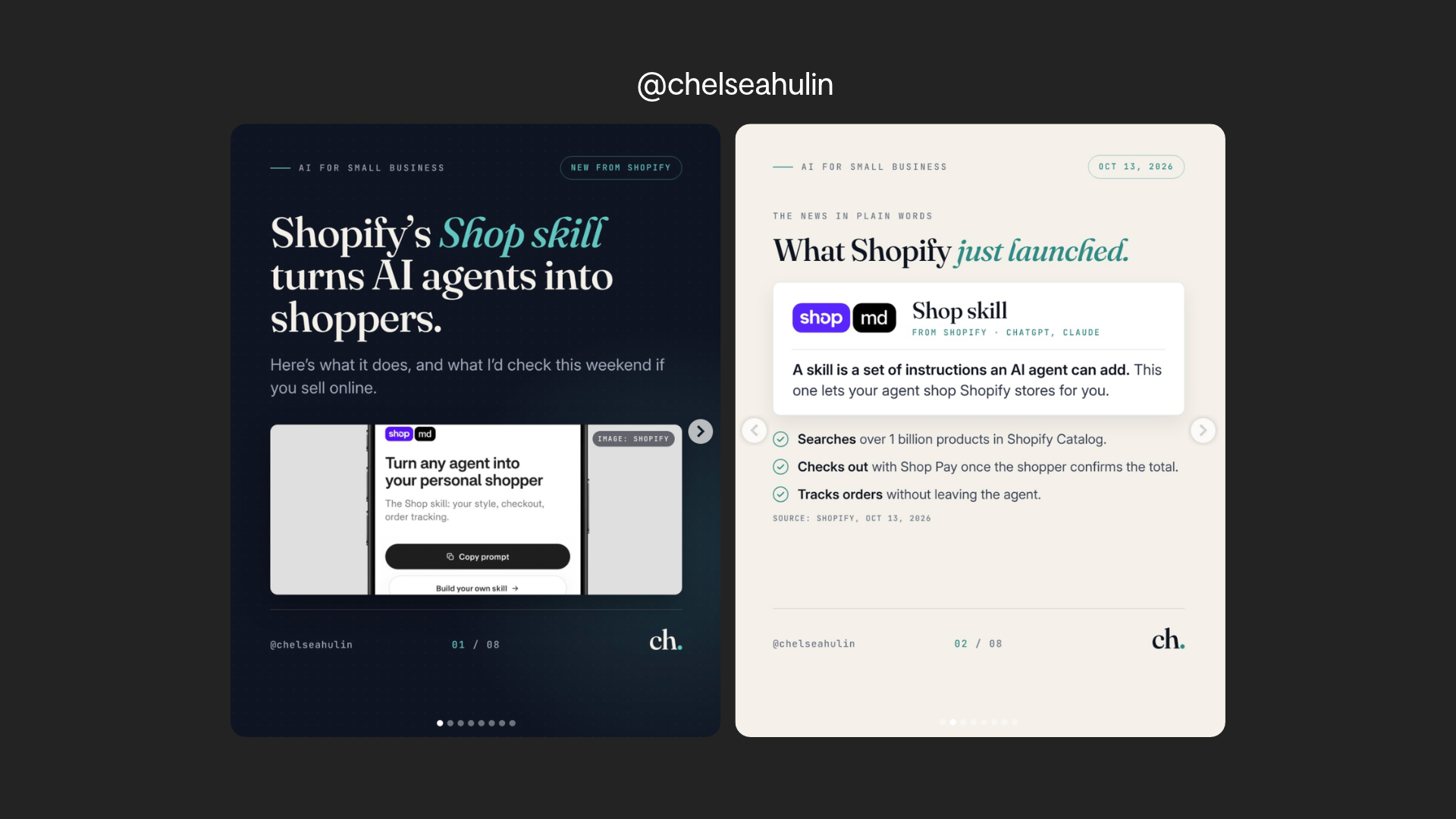
Shopify also opened Shop MCP to developers through shop.dev, and launched Promoted Placements, which pays developers a small commission, 0.3% from Shopify's own payment fee, for surfacing products in agent search results. It costs merchants nothing directly. It changes who controls how your products get found and described when an agent does the shopping.
Why this matters. Few agents support this yet, and shoppers still approve each purchase, so the practical impact today is small. Product pages written for a person skimming them read differently to an agent summarizing them. That difference will grow.
What does Klaviyo's region-aware Customer Agent mean for EU brands?
Klaviyo's Customer Agent can now tailor its knowledge and skills to a specific region or Shopify market, so a shopper in Germany sees different policies, prices, and products than a shopper in the UK. Campaign work and customer-conversation work also moved into one shared workspace, Composer, this month.
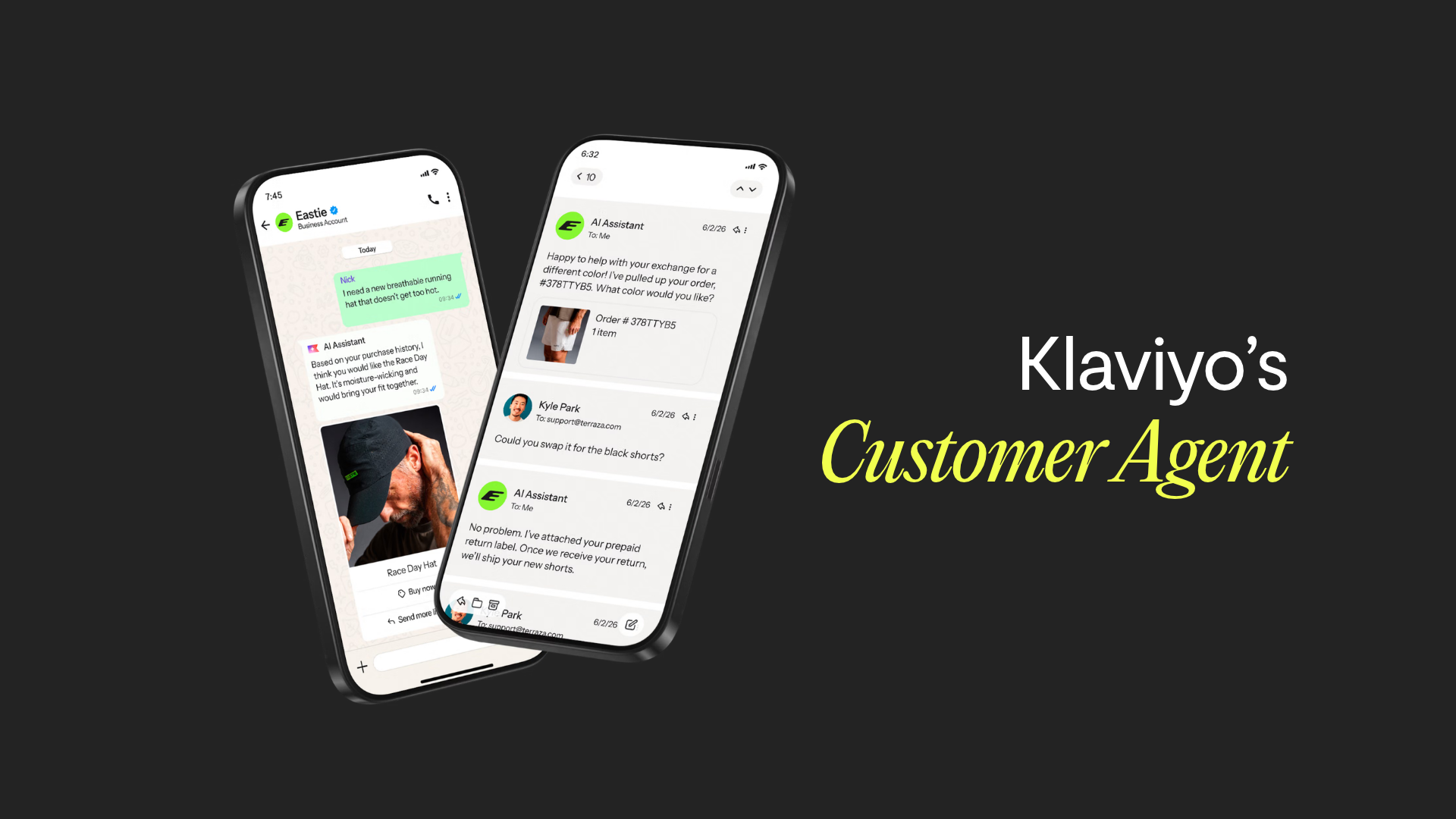
Klaviyo added retail skills for the Customer Agent too: order tracking, returns and exchanges, subscription editing, and loyalty lookup. A new feature called Agent Guidance lets a brand set the agent's tone, communication style, and when it should hand a conversation to a person.
Why this matters. A lifestyle brand selling into five EU markets has five different return policies and five sets of pricing to manage in customer service. Before this update, a single Customer Agent couldn't tell those apart.
Is WhatsApp becoming a real AI commerce channel for European brands?
Yes. Gorgias took its AI Agent live on WhatsApp, Instagram DMs, and Facebook Messenger this month, using the same product knowledge and tone it already uses in storefront chat. Shopify separately added WhatsApp marketing automations for abandoned carts and checkouts directly inside Shopify Messaging.
Gorgias' AI Agent on Socials moved out of beta on October 14 after running in a closed test. It answers shoppers on the same channels they already use to message a brand. Shopify's WhatsApp automations work the same way abandoned cart emails do now, on a channel European shoppers actually read.
Why this matters. WhatsApp open rates run well above email across most of Europe. For a lifestyle brand with EU customers, that's the channel where a cart-recovery message actually gets seen.
Is Shopify’s new AI theme-editing stack ready for your store?
Not yet, and Shopify says so itself. Canvas, the new Liquid-first theme format, and SimGym-tested recommendations all shipped as part of Shopify’s Fall ‘26 Edition on October 28, pushing toward Sidekick editing a theme directly. All three are early access or developer preview. A theme edited in Canvas stops receiving automatic updates and doesn’t support app blocks yet, and Shopify’s own guidance is to keep all three off a live store until after Black Friday.
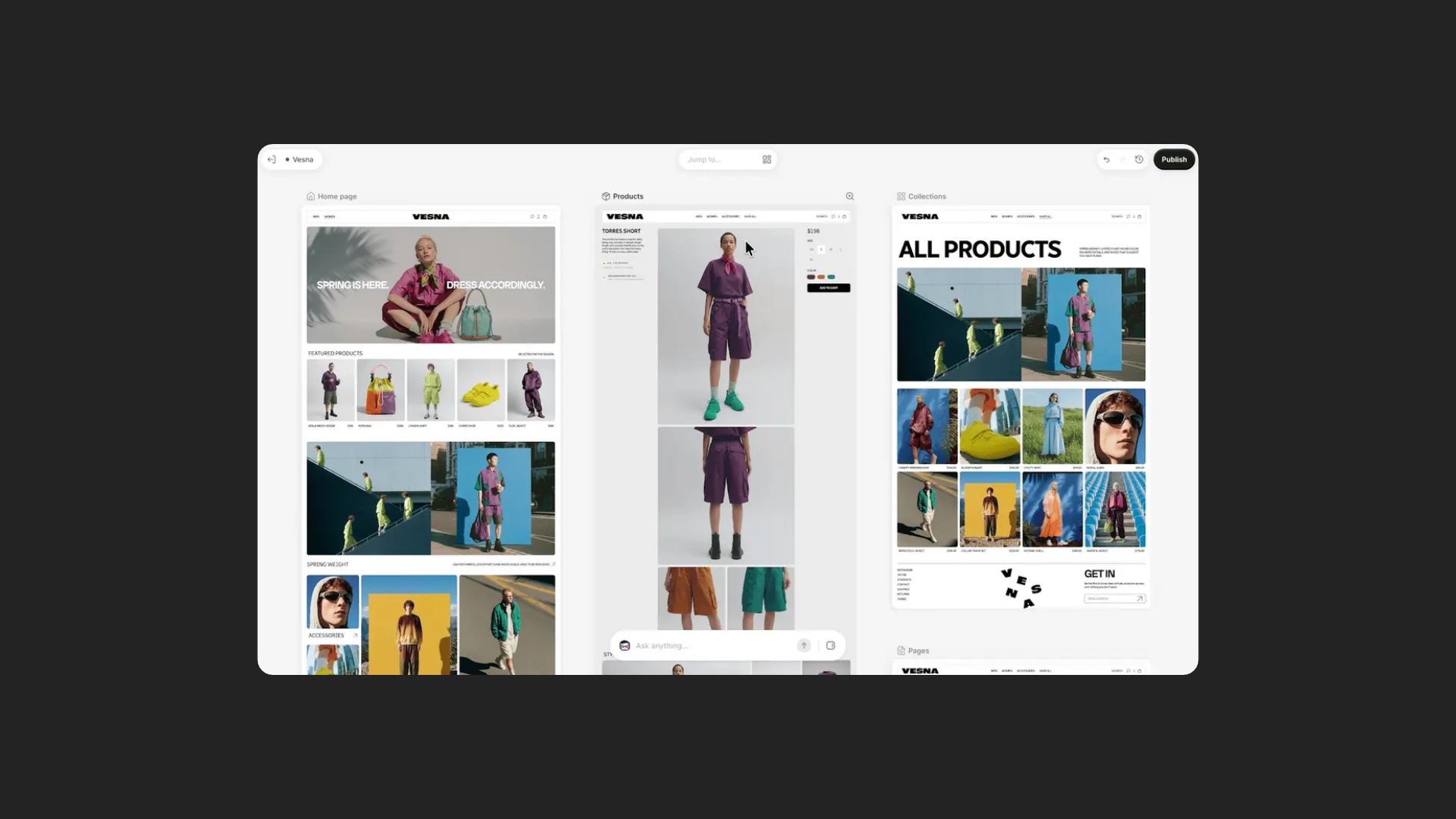
Canvas puts every page of a store on one zoomable screen where a merchant clicks to edit or asks Sidekick to do it; Shopify says it makes a from-scratch launch 20% faster. The new Liquid theme format moves page structure into Liquid itself, with the AGENTS.md and DESIGN.md files Sidekick reads before editing, and it’s what makes a theme fully compatible with Canvas going forward. SimGym lets Sidekick test a proposed change against simulated shoppers on an unpublished theme copy before you decide whether to apply it. All three point at the same goal: Shopify’s AI doing design and build work a developer or an agency used to do.
Why this matters. This is the clearest signal yet of where Shopify wants stores built: AI editing theme code directly, with written files that tell it how. None of it works on a live, app-dependent store yet, so there’s no decision to make beyond watching which of these three reaches general availability first.
When can you actually use Shopify’s new checkout customization?
Not for this Black Friday. Checkout custom fields, a tiled payment-method layout, and an animated thank-you page all shipped as part of Shopify’s Fall ‘26 Edition on October 28, but every one of them is listed as rolling out or coming soon. Shopify has said explicitly that custom fields will not ship before or during BFCM. Plus stores get every field type when it lands; other plans get a smaller set.
Custom fields let a merchant collect things like delivery instructions or gift notes without installing an app. Plus stores will get every available field type; other plans get delivery instructions and gift messages only. The tiled payment layout and animated thank-you page are cosmetic checkout updates with no announced date. None of the three has a release date that falls before Cyber Monday.
Why this matters. A merchant planning gift messaging or delivery-instruction fields into a holiday campaign would be building around a feature that doesn’t exist yet this season. Revisit this after the holiday push, once Shopify confirms general availability.
Keep an eye on it
Is reselling returned inventory becoming a real retention strategy?
Maybe. Redo, a Shopify returns platform, acquired Relay Goods, a resale marketplace for returned sneakers, this month. It's a small deal. It points at returns and resale getting managed by the same platform now.
Most lifestyle brands treat returns as a cost center and resale, if they do it at all, as a separate initiative run by a different team or vendor. Redo's bet is that a brand's returns platform should also be where that inventory gets resold.
Why this matters. Fashion and home brands carrying real markdown and return volume could recover more margin from inventory that would otherwise sit in a warehouse or get liquidated.
Does Reddit going login-only kill AI-visibility strategies built on it?
Reddit announced on October 31 that it’s moving toward a logged-in-only site, with tests starting in select markets this year. CEO Steve Huffman cited Google’s AI Overviews cutting Reddit’s search referrals by over a million a week in October. He framed the login wall as a way to license Reddit’s content to AI companies instead of letting them scrape it for free.
Reddit’s logged-out traffic took the steepest hit as AI tools answered questions using Reddit content without sending anyone to the site. The login wall mostly closes off free scraping. Reddit says it will keep licensing content to AI companies under commercial deals, protecting existing arrangements with some AI firms while it fights scraping by others in court.
Why this matters. Flooding Reddit threads with product mentions has been a cheap way for brands to show up when someone asks ChatGPT or Google’s AI Overviews for recommendations. That tactic depends on AI tools being able to read Reddit for free. Once most of Reddit sits behind a login wall, unlicensed AI tools lose that access, and so does any brand relying on it.
Next steps for November into December
- Email every app vendor on your Shopify store this week and confirm they've patched CVE-2026-109618 and CVE-2026-109619.
- Add the three required EU product identifiers to your product catalog before November 1.
- If you are not running Whatsapp marketing yet, you can now easily try it on Shopify (or Klaviyo, as always): start with automations, like abandoned checkout, before scaling to others.
- If you sell in multiple EU markets, ask your Klaviyo contact about setting up region-specific Customer Agent configurations.
- Hold off on moving any theme into Shopify Canvas until app block support ships.
Frequently asked questions
Does the PHP vulnerability affect Shopify stores directly? No. Shopify's core platform doesn't run on PHP. Third-party apps and custom-built apps might, so check with your app vendors and developers directly.
What happens if I miss the EU product identifier deadline? Customs holds parcels shipped without the required identifiers and charges a rejection fee, starting November 1, 2026.
Can AI agents already check out on my Shopify store? Technically yes, through Shopify's new AI shopper skill and Shop Pay. Very few agents support it yet, so the practical impact today is limited.
Should I turn on Shopify Canvas for my store now? Not unless your theme doesn't depend on any apps using app blocks or embeds. Full app support hasn't shipped yet.
Talk to us
Need help figuring out your roadmap and getting your priorities in order? Let's talk!
Share on: